Pengukuhan sektor tenaga keutamaan agenda strategik pembangunan negeri (Dwibahasa)
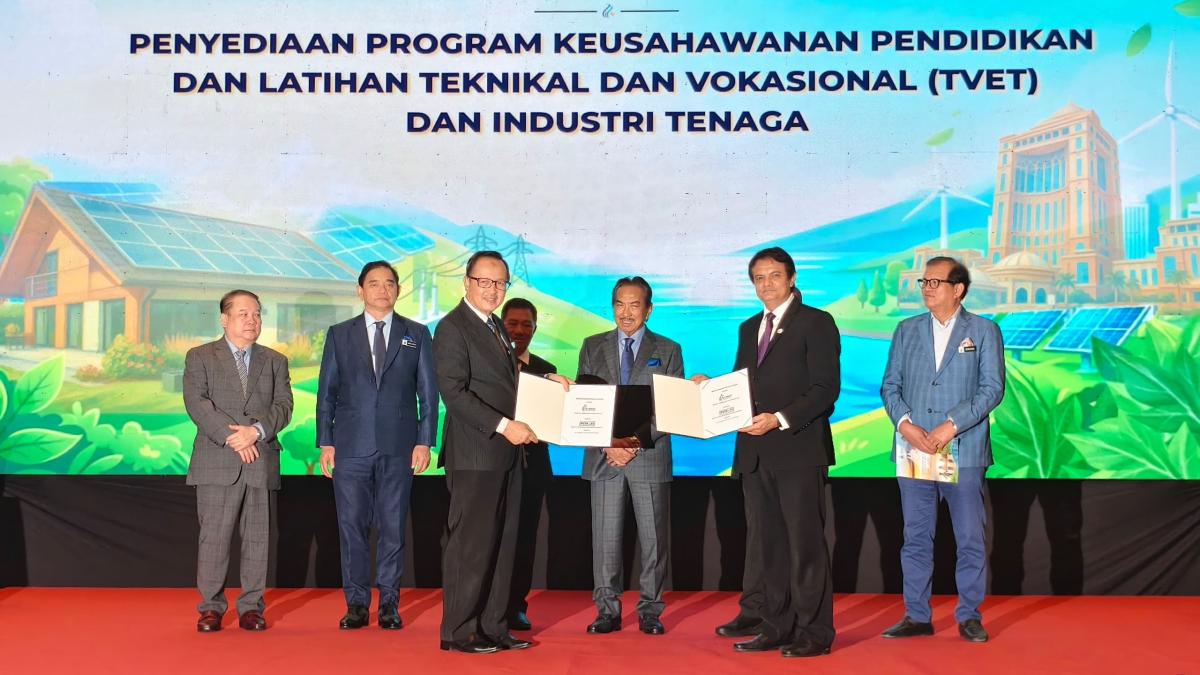
KOTA KINABALU: Ketua Menteri Datuk Seri Panglima Haji Hajiji Haji Noor menegaskan bahawa Kerajaan Negeri akan terus mengutamakan usaha untuk memperkukuh sektor tenaga sebagai salah satu agenda pembangunan strategik Sabah.
“Kita bukan sahaja perlu memastikan bekalan elektrik sentiasa mencukupi dan berdaya harap, malah perlu membangunkan sistem tenaga yang lebih cekap, lebih mampan dan mampu memberi manfaat kepada generasi akan datang.
“Atas sebab itu juga, kerajaan negeri telah menetapkan Sabah Energy Roadmap and Master Plan 2040 (SE RAMP 2040) sebagai hala tuju strategik pembangunan sektor tenaga Sabah.
“Pelan ini menjadi panduan kepada usaha memperkukuh keselamatan tenaga, mempelbagaikan sumber tenaga, meningkatkan penggunaan tenaga boleh baharu serta memastikan pembangunan tenaga terus menyokong aspirasi ekonomi negeri.
“Usaha ini diambil bagi memastikan bekalan elektrik Sabah kekal mencukupi, stabil dan berdaya harap serta mampu milik selaras dengan aspirasi peralihan tenaga negeri,” kata beliau pada majlis peluncuran Tenaga Lestari Rakyat Sabah di Pacific Sutera di sini hari ini.
Ucapan beliau disampaikan oleh Timbalan Ketua Menteri I/Menteri Kerja Raya dan Utiliti Datuk Seri Panglima Dr Joachim Gunsalam.
Majlis perasmian disempurnakan oleh Tuan Yang Terutama Yang di-Pertua Negeri Sabah Tun Musa Aman.
Ketua Menteri mengucap tahniah kepada Suruhanjaya Tenaga Sabah (ECoS) atas komitmen berterusan dalam memacu pembangunan sektor tenaga negeri melalui pendekatan yang progresif, berpandangan jauh dan berteraskan kepentingan rakyat.
“Pada hari ini kita menyaksikan satu lagi langkah penting dalam merealisasikan aspirasi tersebut melalui pelancaran Sabah Energy Efficiency Action Plan (SEEAP) dan Program Solar Rakyat Sabah.
Hajiji juga melihat pelbagai inisiatif yang berlangsung pada hari ini sebagai satu ekosistem yang saling melengkapi.
“Pengiktirafan kepada projek projek solar, pelaksanaan Government Lead by Example, kerjasama dengan institusi latihan, pembangunan usahawan melalui Memorandum Persefahaman bersama pihak Institut Keusahawanan Negara Berhad (INSKEN) INSKEN serta pelaksanaan program tanggungjawab sosial korporat mencerminkan bahawa pembangunan tenaga lestari memerlukan penyertaan semua pihak,” katanya.
Dalam masa sama, beliau berkata kerajaan negeri mahu melihat tenaga digunakan secara lebih berhemah dan cekap dalam setiap sektor.
“Kita mahu lebih ramai rakyat Sabah berpeluang mengambil bahagian dalam penggunaan tenaga boleh baharu. Kita juga mahu mewujudkan persekitaran yang menggalakkan inovasi, pelaburan dan pembangunan industri tenaga yang mampu memberi nilai tambah kepada ekonomi negeri.
“Peralihan tenaga bukan sekadar berkaitan teknologi. Ia adalah satu transformasi yang melibatkan dasar, pelaburan, pembangunan modal insan, penyelidikan, inovasi serta kerjasama erat antara kerajaan, industri, institusi pendidikan dan masyarakat.
“Kerjasama seperti ini amat penting bagi memastikan setiap dasar yang diperkenalkan benar-benar dapat dilaksanakan dengan berkesan dan memberi manfaat kepada rakyat,” katanya.
Hajiji berkata dalam usaha mempercepatkan pembangunan ekonomi negeri, Kerajaan Negeri akan terus memastikan bahawa sektor tenaga berkembang secara terancang, mampan dan berdaya tahan.
“Untuk itu, kita akan terus memperkukuh kerjasama dengan kerajaan Persekutuan, ECoS, pemain industri, pelabur, institusi kewangan, sektor swasta dan semua pihak berkepentingan bagi memastikan Sabah mempunyai sistem tenaga yang mampu menyokong pembangunan negeri untuk beberapa dekad akan datang,” katanya.
Tamat
KOTA KINABALU: Chief Minister Datuk Seri Panglima Haji Hajiji Haji Noor stressed that the State Government will continue to prioritise efforts to strengthen the energy sector as one of Sabah's strategic development agendas.
"We must not only ensure that electricity supply remains sufficient and reliable, but also develop a more efficient and sustainable energy system that will benefit future generations.
"For this reason, the State Government has adopted the Sabah Energy Roadmap and Master Plan 2040 (SE-RAMP 2040) as the strategic blueprint for the development of Sabah's energy sector.
"The plan serves as a guide to strengthen energy security, diversify energy sources, increase the use of renewable energy and ensure that energy development continues to support the State's economic aspirations.
"These efforts are aimed at ensuring Sabah's electricity supply remains adequate, stable, reliable and affordable, in line with the State's energy transition aspirations," he said at the launch of the Sabah Sustainable Energy for the People programme at Pacific Sutera, here, on Wednesday.
His speech was delivered by Deputy Chief Minister I/Works and Utilities Minister Datuk Seri Panglima Dr Joachim Gunsalam.
Head of State Tun Musa Aman graced the ceremony.
The Chief Minister congratulated the Energy Commission of Sabah (ECoS) for its continued commitment to driving the development of the State's energy sector through a progressive, forward-looking and people-centric approach.
"Today, we are witnessing another important milestone in realising that aspiration with the launch of the Sabah Energy Efficiency Action Plan (SEEAP) and the Sabah People Solar Programme.
Hajiji said the various initiatives launched today form a complementary ecosystem.
"The recognition of solar projects, the implementation of the Government Lead by Example initiative, collaboration with training institutions, entrepreneur development through the Memorandum of Understanding with Institut Keusahawanan Negara Berhad (INSKEN), as well as the implementation of corporate social responsibility programmes, reflect the fact that sustainable energy development requires the participation of all stakeholders," he said.
At the same time, he said the State Government wants to see energy being used more prudently and efficiently across all sectors.
"We want more Sabahans to have the opportunity to participate in the adoption of renewable energy. We also want to create an environment that encourages innovation, investment and the development of an energy industry capable of generating greater value for the State's economy.
"The energy transition is not merely about technology. It is a transformation involving policy, investment, human capital development, research, innovation and close collaboration between the Government, industry, educational institutions and the community.
"Such collaboration is essential to ensure that every policy introduced can be implemented effectively and deliver tangible benefits to the people," he said. Hajiji said that in accelerating the State's economic development, the State Government would continue to ensure that the energy sector grows in a planned, sustainable and resilient manner.
"To this end, we will continue to strengthen collaboration with the Federal Government, ECoS, industry players, investors, financial institutions, the private sector and all relevant stakeholders to ensure Sabah has an energy system capable of supporting the State's development for decades to come," he said.
Ends